Choosing the right tech stack is one of the most important decisions a startup founder will make. The wrong choice can lead to months of rework, expensive migrations, and lost opportunities. The right choice can help you move fast, hire easily, and scale smoothly as your business grows.
After building 150+ projects across industries, we've seen firsthand what works and what doesn't. Here's what we've learned.
Start With Your Requirements, Not the Hype
Every year there's a new framework promising to change everything. But the best tech stack isn't the trendiest - it's the one that fits your specific needs. Before writing any code, answer these questions:
- What type of application are you building? An e-commerce store has different needs than a SaaS platform or a mobile app.
- How quickly do you need to launch? If speed matters, choose frameworks with large ecosystems and pre-built solutions.
- What's your expected scale? A tool for 100 users has different architecture needs than one serving 100,000.
- What can your team maintain? Choose technologies your developers already know or can learn quickly.
Frontend: What Your Users See
For most startups, the frontend choice comes down to three options:
- React - The most popular choice with the largest ecosystem. Best for complex, interactive UIs.
- Vue.js - Easier learning curve, excellent documentation, and great for teams transitioning from jQuery.
- Server-rendered HTML - Don't overlook the simplicity of server-rendered pages with frameworks like Laravel Blade or CodeIgniter views. For content-heavy sites, this is often the fastest path to launch.
Backend: Where the Logic Lives
Your backend handles business logic, authentication, data processing, and API endpoints. Popular choices include:
- PHP (Laravel, CodeIgniter, CakePHP) - Battle-tested, huge talent pool, excellent for e-commerce and content management. Laravel offers the best developer experience; CodeIgniter excels at performance.
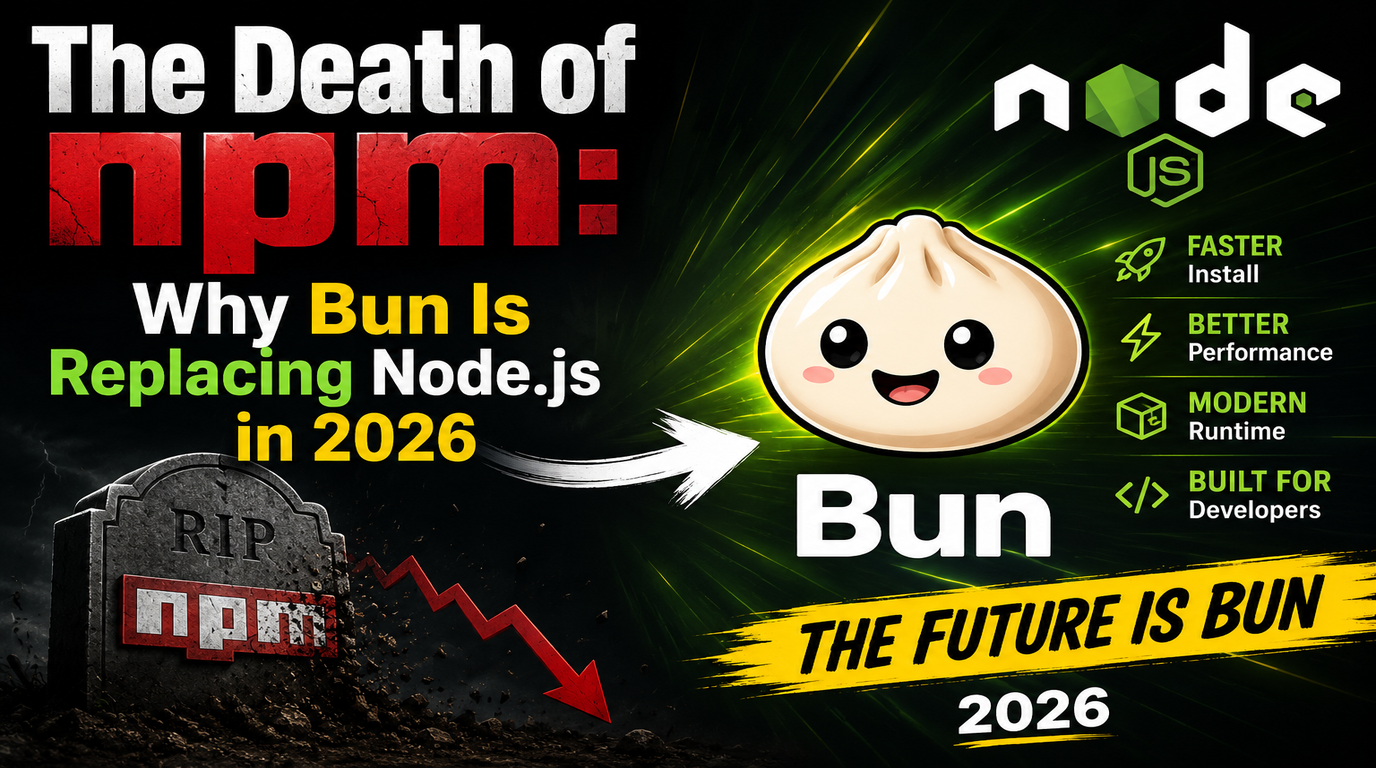
- Node.js - Great for real-time applications and when you want JavaScript across the full stack.
- Java Spring Boot - Enterprise-grade, best for complex microservices architectures.
Database: Don't Overthink It
For most startups, MySQL or PostgreSQL is the right answer. They're reliable, well-documented, and can handle far more traffic than you think. Only consider NoSQL databases like MongoDB when you genuinely have unstructured data requirements.
Cloud: Start Managed, Optimize Later
Start with managed services (AWS RDS, managed hosting) to minimize DevOps overhead. You can always optimize infrastructure costs once you have revenue and traffic data to work with.
Our Recommendation
For most startups launching their first product:
- Pick a framework your team knows well
- Use a relational database (MySQL/PostgreSQL)
- Deploy to managed cloud hosting
- Focus on shipping features, not perfecting infrastructure
The best tech stack is the one that lets you build and iterate quickly. You can always refactor later - but you can't get back time spent over-engineering before you have product-market fit.