Mobile app development is evolving faster than ever. The frameworks, tools, and strategies that worked two years ago may not be the best choice today. Whether you're planning a new app or considering a rebuild, understanding these trends will help you make better decisions.
Cross-Platform Is Now the Default
The debate between native and cross-platform development is largely settled. Cross-platform frameworks have matured to the point where they deliver near-native performance with significantly reduced development time and cost.
- Flutter - Google's framework has become our go-to for cross-platform apps. Single codebase for iOS and Android with beautiful, performant UIs. We used Flutter for LoyaltyLive's mobile app builder and ARCC Digital's team management app.
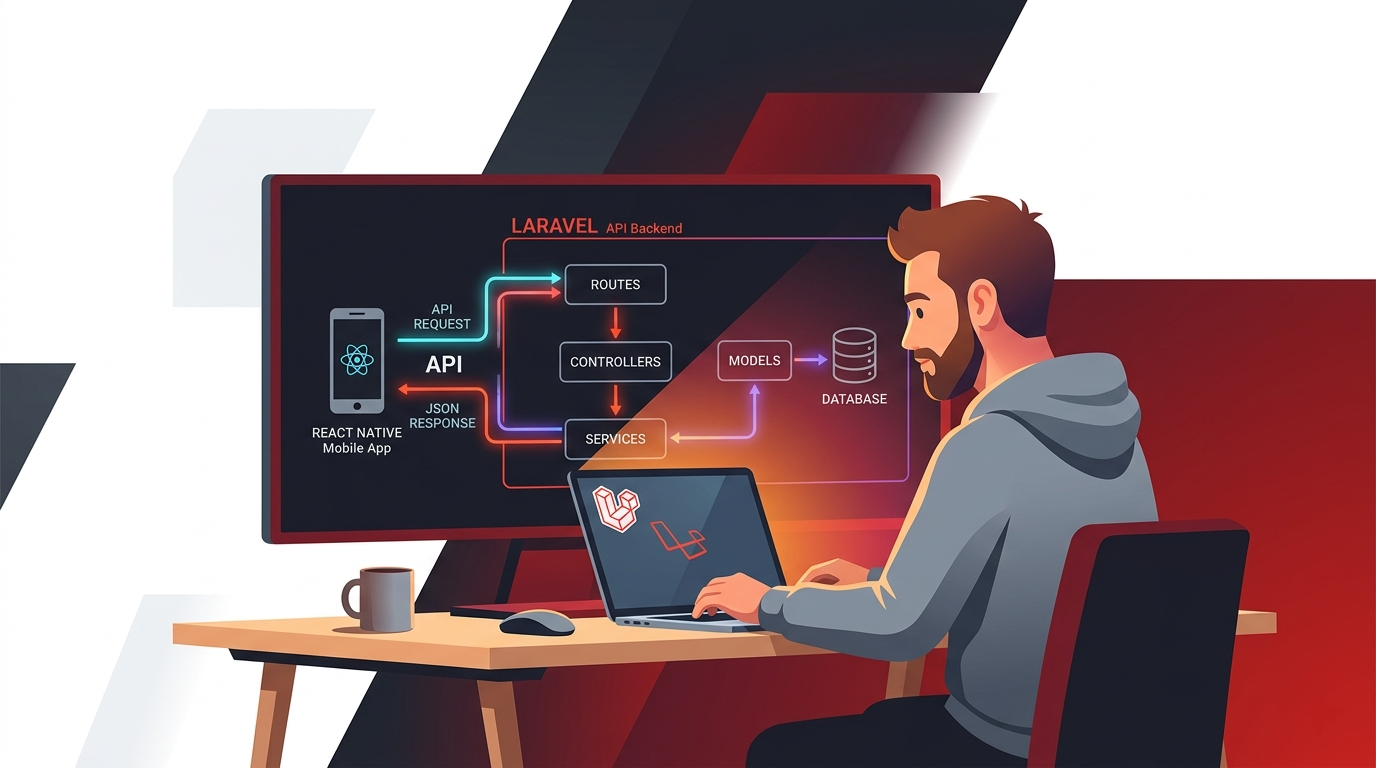
- React Native - Still a strong choice, especially if your team has React web experience. Meta continues to invest heavily in the framework.
Unless you need platform-specific features like AR or complex native integrations, cross-platform is the pragmatic choice for most business applications.
AI-Powered Features Are Expected
Users now expect intelligent features in their apps:
- Smart search - Natural language queries instead of keyword matching
- Personalization - Content and recommendations tailored to individual behavior
- Automation - Predictive text, auto-categorization, and intelligent notifications
Integrating AI doesn't require building models from scratch. Cloud APIs from AWS Bedrock, Google Vertex AI, and others make it possible to add intelligence to any app.
Offline-First Architecture
Reliable connectivity can't be assumed, especially for apps used in fieldwork, travel, or developing markets. Offline-first architecture - where the app works without internet and syncs when connectivity returns - is becoming a standard requirement.
Push Notifications Done Right
Push notifications remain one of the most effective engagement tools, but users are increasingly selective. The apps that succeed with notifications are those that send relevant, timely, and actionable messages - not generic blasts.
Firebase Cloud Messaging remains the standard for implementing push notifications across both platforms from a single backend.
Security by Design
With increasing regulation (GDPR, CCPA, and others), security can't be retrofitted. Mobile apps need:
- Encrypted local storage
- Certificate pinning for API calls
- Biometric authentication
- Regular security audits
Our Approach
When building mobile apps for our clients, we focus on:
- Flutter for cross-platform development
- Firebase for real-time features and push notifications
- RESTful APIs with JWT authentication
- CI/CD pipelines for automated testing and deployment
The goal is always to ship a quality app quickly, iterate based on user feedback, and scale infrastructure as the user base grows.